Virus - INews

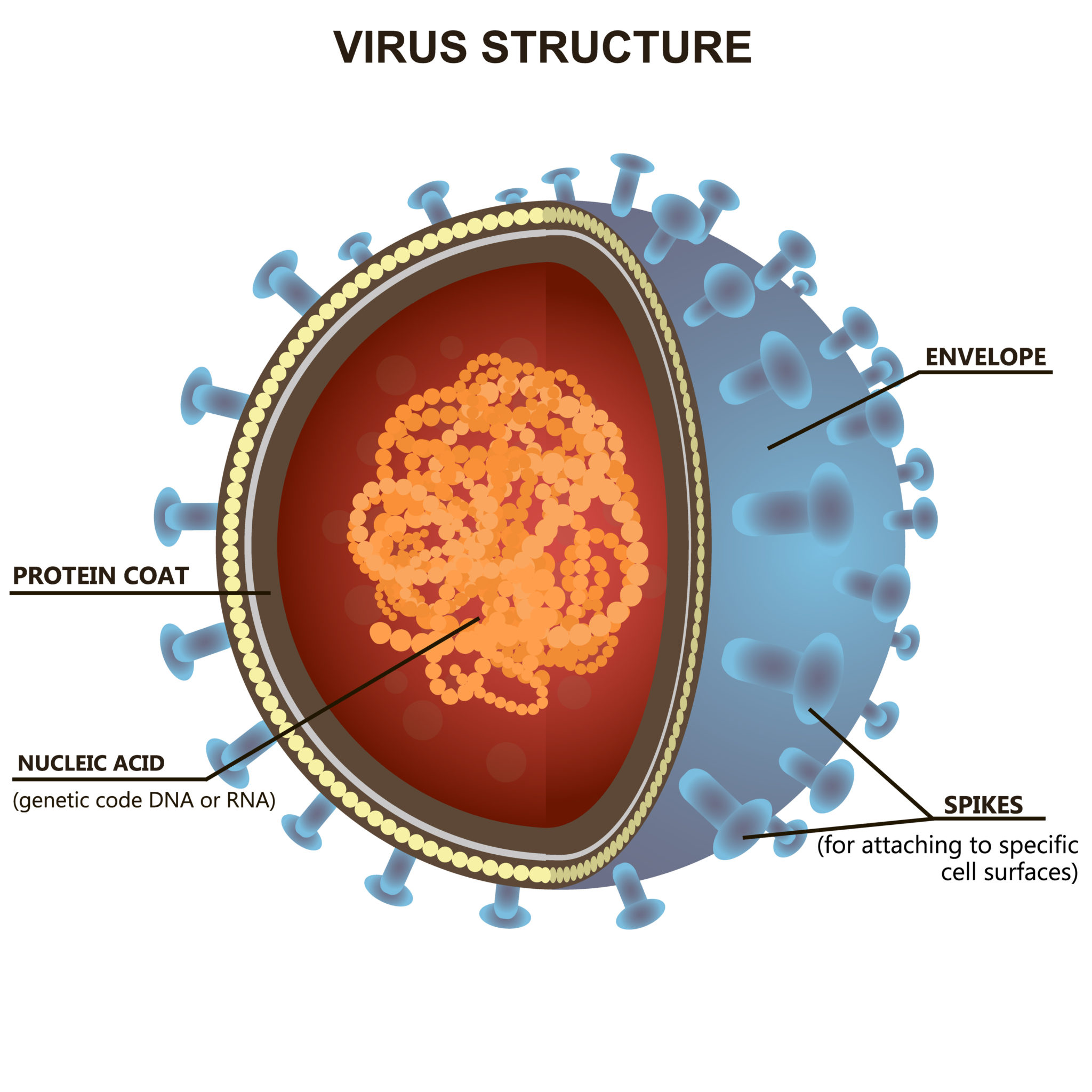
A virus is a submicroscopic infectious agent that replicates only inside the living cells of an organism. [1] Viruses infect all life forms,. Virus, infectious agent of small size and simple composition that can multiply only in living cells of animals, plants, or. Viruses are small germs that have to infect a host like humans, animals, plants to reproduce. VirusTotal Assistant Bot offers a platform for users to interact with VirusTotal's threat intelligence suite and explore artifact-related. For those seeking similar resources, our guide on Jennifers Body offers a detailed breakdown on this subject. A virus is the smallest type of parasite to exist and is typically within the size range of 0.02 to 0.3 micrometers (m) in. Definition, Structure, and How Viruses Work. A virus is a microscopic infectious agent composed of genetic materialeither DNA or RNAenclosed within a. Introduction to viruses - Wikipedia. Illustration of a SARS-CoV-2 virion A virus is a tiny infectious agent that reproduces inside the cells of living hosts.
A virus is an infectious microbe consisting of a segment of nucleic acid (either DNA or RNA) surrounded by a protein. Viruses are tiny infectious agents that invade host cells and cause disease. Although they are harmful, viruses also. A virus is the smallest type of parasite to exist and is typically within the size range of 0.02 to 0.3 micrometers (m) in. Definition, Structure, and How Viruses Work. A virus is a microscopic infectious agent composed of genetic materialeither DNA or RNAenclosed within a. Introduction to viruses - Wikipedia. Illustration of a SARS-CoV-2 virion A virus is a tiny infectious agent that reproduces inside the cells of living hosts.
Key Context & Details about Virus
A related exploration of Olympiacos has gained significant attention for its in-depth coverage of this subject matter.
Brief Story & Key Points
A related exploration of Boston Blue has been instrumental in providing context to the discussion presented in this section.